
Improve your trades with Senpi
Every strategy has a tough week. What matters is how you fix it. Senpi answers that with the Improve Trades feature. Just tap it on any strategy, and Senpi instantly audits its closed trades, isolates the exact layer costing you money, and rewrites it. Your optimized strategy goes right back on the market—all within a single conversation, with no export steps required.
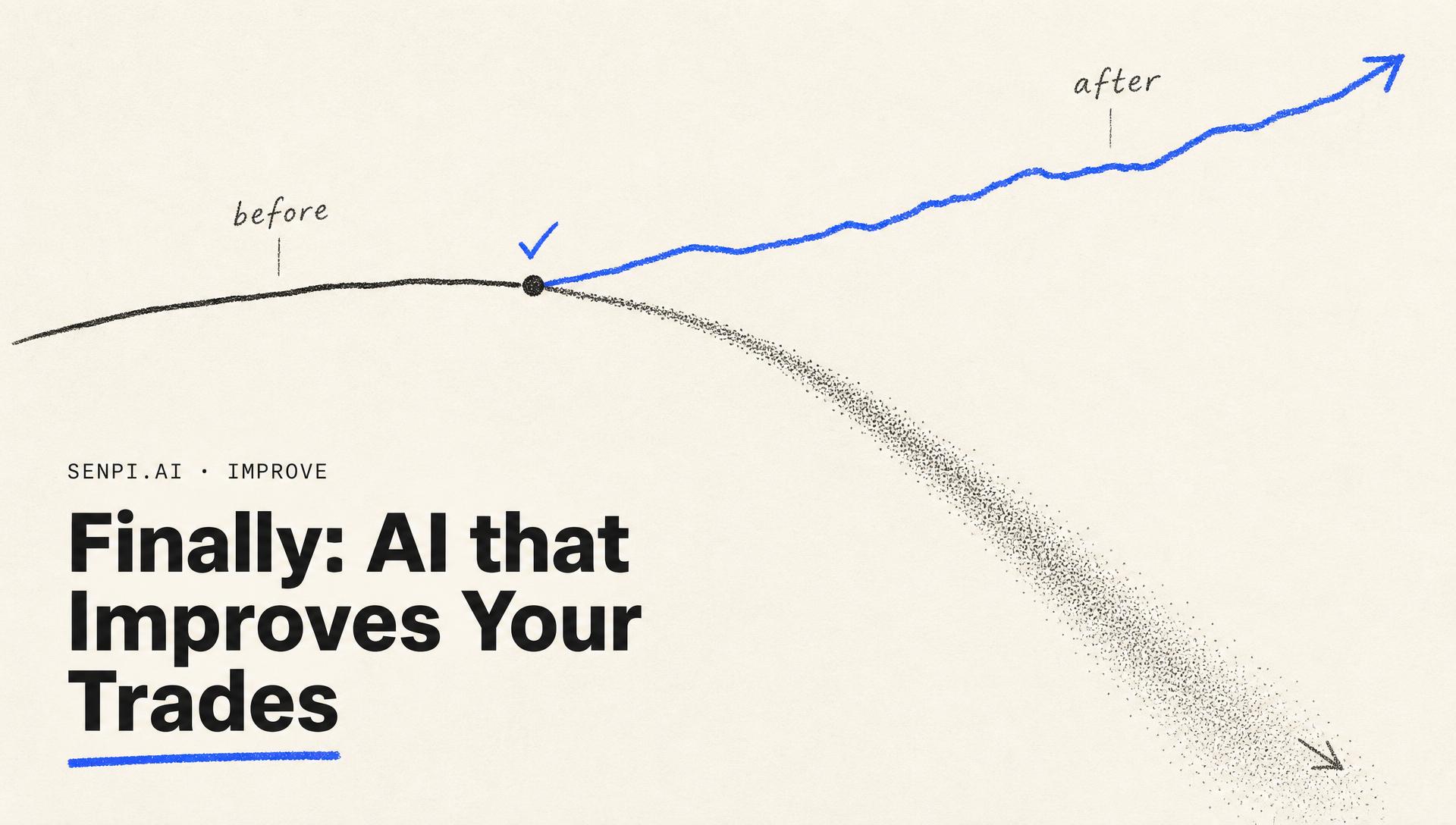
Every strategy has a tough week. What matters is how you fix it.
Senpi answers that with the Improve Trades feature. Just tap it on any strategy, and Senpi instantly audits its closed trades, isolates the exact layer costing you money, and rewrites it. Your optimized strategy goes right back on the market—all within a single conversation, with no export steps required.
1. It reads the record, not the P&L
Every close in Senpi carries a reason code and lands in the runtime's event log — dsl_breach, exchange_sl_hit, weak_peak_cut, and the rest. That log is the input to Improve.
This matters because a P&L column tells you that you lost money. The event log tells you which gate fired, in what order, on which setup. A strategy that bled out through weak_peak_cut has a different disease than one that bled out through exchange_sl_hit, even if the two look identical on a balance chart.
Improve starts from the mechanism, not the outcome.
2. It tests your exits against the counterfactual
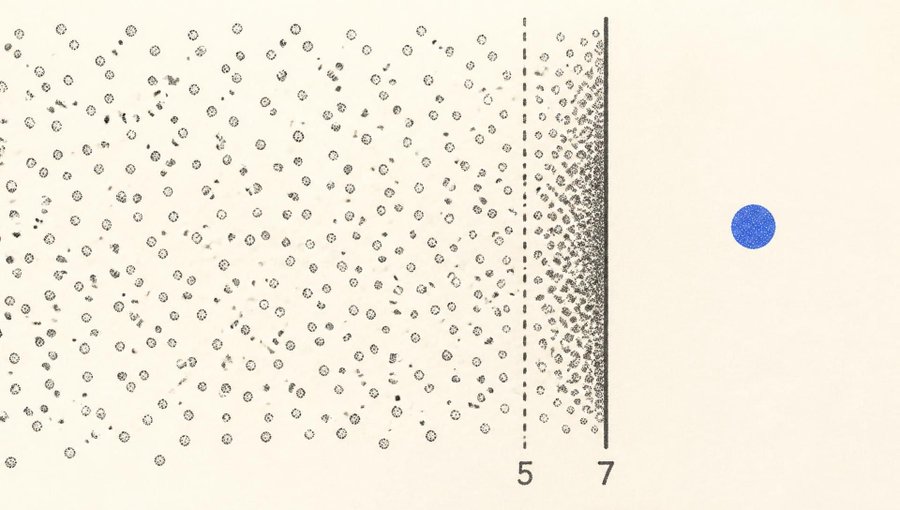
The first thing Improve rules in or out is exit timing. It asks the question you can't answer by eye — what would have happened if you had held? — by comparing every exit price to where the asset went afterwards. Three buckets:
Exit ahead — price moved against the position after you closed. Holding would have hurt.
Left gains behind — price kept moving in your favor after you closed.
Flat — no meaningful move either way.
It is diagnostic, not a grade. If the market moved hard against your whole book right after it closed — a broad selloff on a long book, a squeeze on a short one — every exit looks brilliant. Senpi flags that as "a neutral observation." Beating the market during a one-way move isn't merit.
Ruling out is the point. Skilled or lucky, if holding would have been worse, exit timing is not your problem. One layer eliminated, and the search moves on.
3. It splits the book before it draws conclusions
Aggregate numbers hide the answer. Improve segments the closed trades to see whether the damage is concentrated or spread:
By asset class — is the crypto book bleeding while equities and indices hold up, or is it even?
By reason code — are the losses arriving through one gate or several?
By loss distribution
The distribution is what usually cracks the case. If your realized losses are large and scattered, your risk layer is leaking. If they're small and tightly clustered, well short of the hard stop, that's the signature of a stop doing its job over and over — on trades that should not have been open in the first place. Same red week, opposite diagnosis, opposite fix.
4. It won't over-fit to the trades you regret
Every book has a few: positions you closed that then kept running without you. They're the trades you remember, and the worst evidence you own.
Improve labels them single reversals, not a pattern, and moves on. A handful of early exits is exactly what talks a trader into widening a stop that was working — and that is how a survivable week turns into an account event.
An audit that flatters your instincts isn't an audit.
5. It changes the layer that's broken — and only that layer
A diagnosis arrives as specific settings with before-and-after values, not advice. Depending on the evidence, in one of four places:
Entry quality — minimum score to enter, confluence requirements, signals emitted per tick
Universe & cadence — which markets it scans, how often
Protection — hard ROE stop, trailing profit lock tiers, weak-peak cut window, hard timeout
Sizing — leverage, margin, concurrent position slots
The discipline is in what it leaves alone. If the evidence says your protection layer is working, Improve does not touch the hard stop, the profit-lock ladder, the leverage or the position slots — even though those are the knobs a frustrated trader reaches for first.
Tightening entries and tightening stops feel like the same action. They are not. One makes the strategy pickier; the other makes it fragile.
6. It deploys
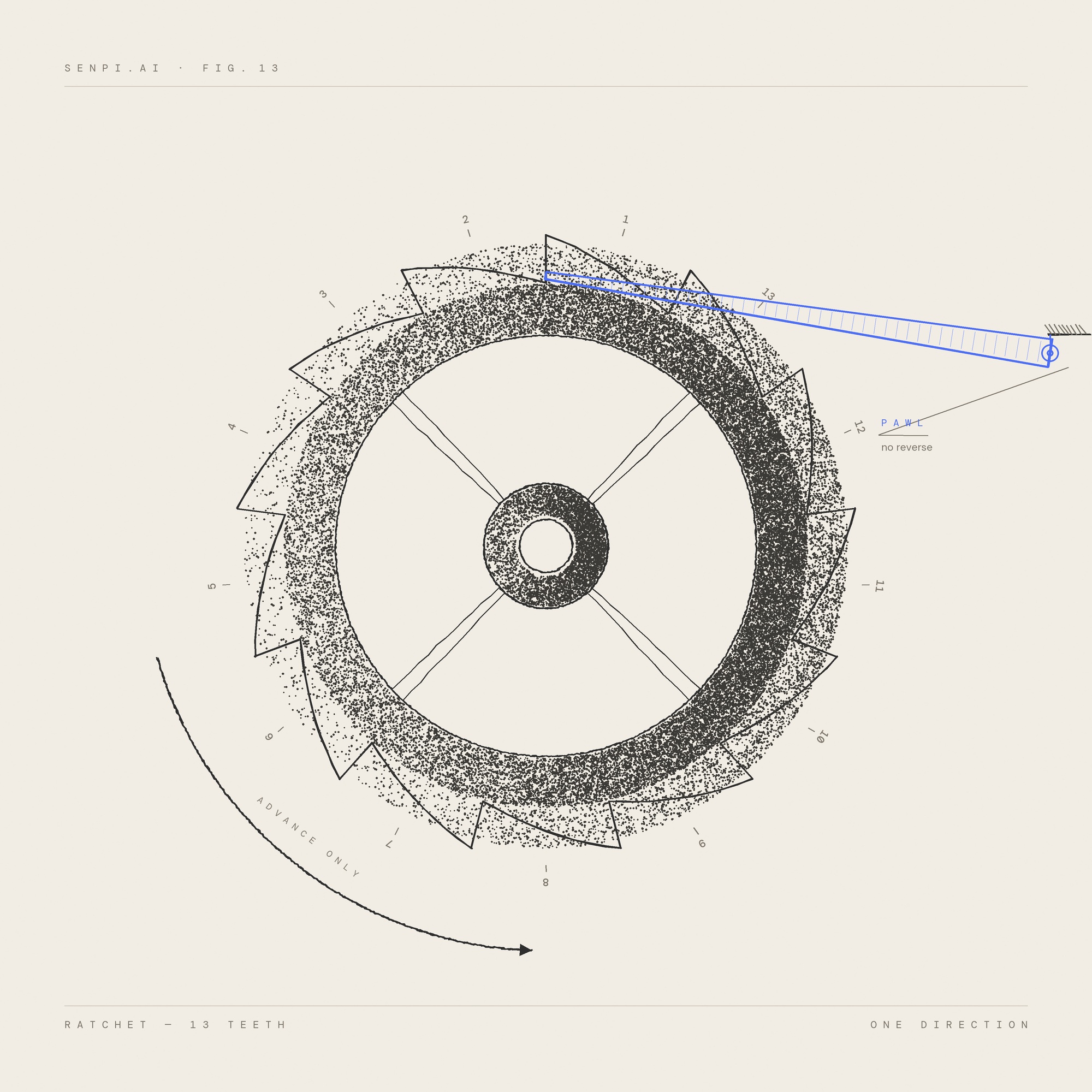
The output is not a report. The rewritten strategy goes back on the market, live, in the same conversation — same runtime, same event log, now under the new rules. The next audit will read the trades this version produces.
When to use it
After a red week, before you reach for the delete button.
After a green week, to find out whether you were right or lucky — the counterfactual test cuts both ways.
When a strategy stops behaving like itself, and you can't tell whether the regime changed or the edge decayed.
Whenever you're about to loosen a stop. Especially then.
You need closed trades for it to work. A handful won't support a conclusion; a week of real activity will. Tap Improve on your own book and see what it finds.
Try now
Senpi is the most advanced trading agent on Hyperliquid.
Not financial advice.